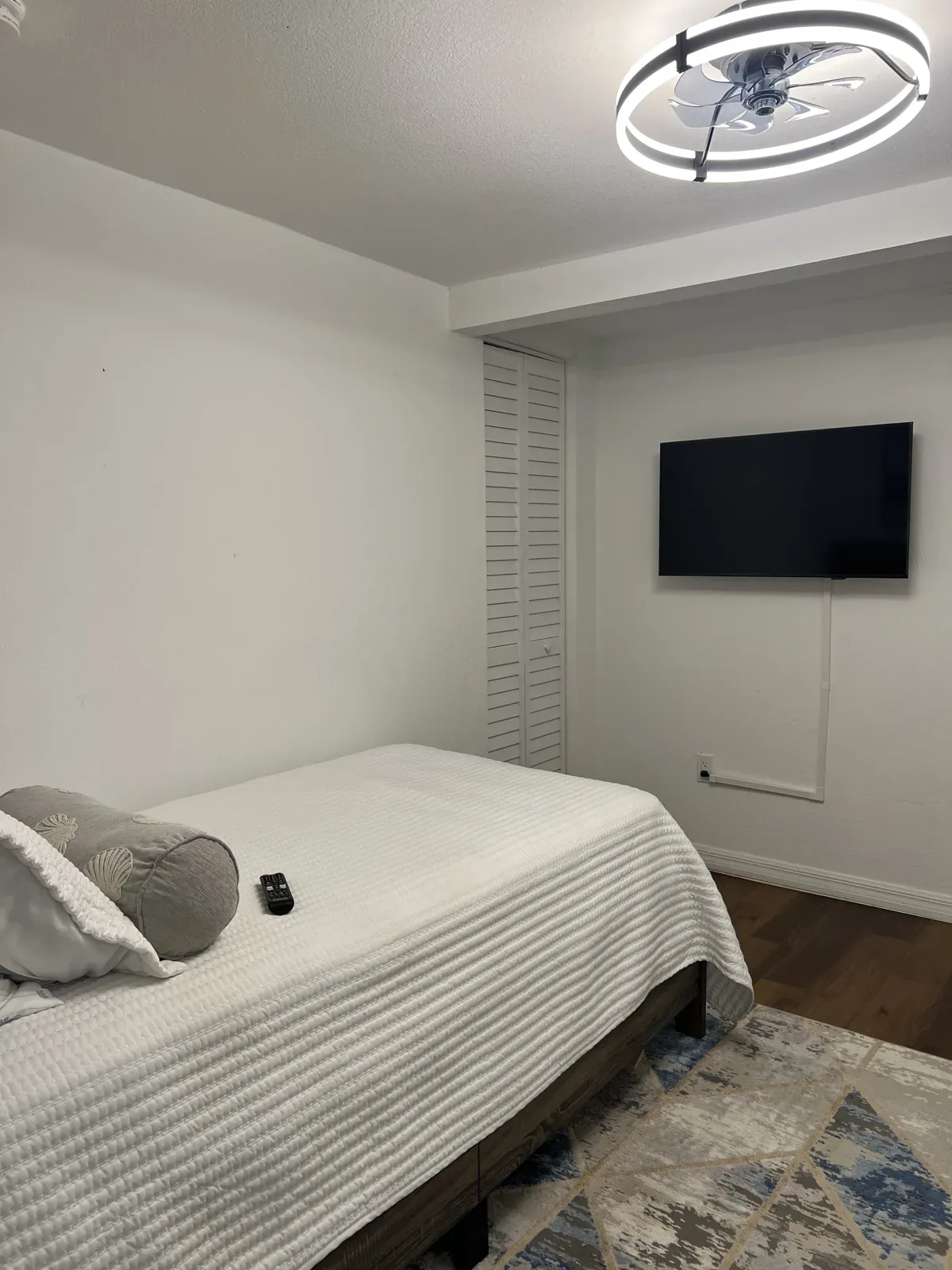
You spend about a third of your life on your mattress, and most people clean it almost never. It collects dust, skin flakes, sweat, and the occasional spill. Over time it can hold odors and, for people with allergies, make nights worse.
A full mattress clean takes an afternoon, mostly waiting for things to dry. Here is the method, plus what the EPA says about dust mites and how to keep a mattress fresher for longer.
What this post covers:
- What dust mites are and what the EPA recommends
- The steps: strip, vacuum, spot treat, deodorize
- Drying and air time
- Protectors and a routine
- Where cleaning stops and replacement starts
Why a Mattress Needs Cleaning
The EPA says dust mites live in mattresses, pillows, carpets, upholstered furniture, and bedcovers, and that every home has them. Its advice includes washing bedding weekly in hot water and drying it completely, using dust-proof covers on pillows and mattresses, and vacuuming regularly, ideally with a HEPA-filter vacuum. For people with asthma or allergies, it suggests leaving the room while someone vacuums. See the EPA page on asthma triggers.
You cannot remove every mite, but you can cut the dust and stains that feed them.
What You Need
- A vacuum with an upholstery attachment, ideally with a HEPA filter
- Baking soda
- Mild dish soap, cool water, and a spray bottle
- Clean white cloths or towels
- Optional: an enzyme-based cleaner for protein stains such as sweat or milk
Check the maker's care tag first. Some mattress types, such as memory foam, do not like to be soaked.
Step 1: Strip and Wash the Bedding
Take off all sheets, the mattress pad, and any protector. Wash them in the hottest water the care labels allow, and dry them completely. Leave the bare mattress to air for a few minutes while you work on the next steps.
Want the rest of the bedroom done for you? Sunshine Clean & Care wipes baseboards and fans, dusts fixtures, and vacuums under the bed in a deep clean.
Step 2: Vacuum Every Surface
Use the upholstery attachment and go slowly over the whole top. Press into the seams, the tufts, and the edges, where dust gathers. Do the sides, and the bottom if it is easy to reach. Do not flip a heavy mattress by yourself, since that is how backs get hurt. Get help, or just do the top and sides.
Step 3: Treat Stains
Mix a few drops of dish soap in cool water. Lightly dab, not soak, the stain with a cloth, working from the outside toward the center. Blot with a clean, damp cloth to lift the soap, and press with a dry towel to soak up moisture. Hot water can set some stains, so stay with cool. Never soak the mattress, since moisture trapped inside can grow mildew.
For serious spills involving urine, vomit, or blood, use an enzyme cleaner made for the purpose and follow its label. Biological waste is not part of Sunshine Clean & Care's standard cleaning, so this is a job to handle yourself or through a specialist.
Step 4: Deodorize With Baking Soda
Sprinkle a thin, even layer of baking soda over the whole mattress. Leave it for at least thirty minutes, or a few hours if you can. Then vacuum it up slowly with the upholstery attachment. If you can, open a window or let the mattress sit in a sunny, ventilated room so it dries and airs out. Make sure it is fully dry before you put sheets back on.
Pillows and Mattress Pads
Pillows collect the same dust and oils as the mattress. Check the care tag, and wash washable pillows every few months, dry them completely, and replace pillows that no longer hold their shape. Mattress pads and toppers can usually go in the washing machine, but check the label. A clean pad between you and the mattress keeps the mattress cleaner for far longer.
Keep It Fresh
- Use a zippered, washable mattress protector, and wash it with your sheets.
- Wash sheets weekly in hot water, per the EPA's tip.
- Vacuum the mattress every month or two.
- Rotate the mattress if the maker advises it.
- Keep humidity down with the AC or a fan. The EPA recommends 30 to 50 percent humidity.
If mildew spots, a persistent smell, or sagging remain after cleaning, the mattress may be at the end of its life.
When a Mattress Is Past Cleaning
Cleaning helps surface dust, odor, and light stains. It does not fix a sagging middle, broken springs, or deep mold. If you wake up with a sore back, notice visible mold or mildew, or see that the mattress is much lumpier than it was, consider replacing it. If you share a bed with someone who has allergies or asthma and symptoms persist after cleaning, ask a doctor for advice. Cleaning is part of a routine, not a cure.
A Simple Schedule
Every week, wash the sheets and pillowcases. Every month, vacuum the top of the mattress. Every three months, do the full routine with baking soda and spot treatment. Twice a year, wash the mattress pad and any protector with the weather change. A routine this light fits most households and prevents the big buildup that makes the job hard.
What a Professional Bedroom Clean Covers
Mattress cleaning is not on our deep clean checklist, but the rest of the bedroom is. Sunshine Clean & Care wipes baseboards and ceiling fans, dusts light fixtures, and vacuums under the bed during a deep clean. A recurring visit keeps the room fresh, with one bed's linens changed each time. See the benefits of recurring cleaning for what that looks like over time.
Ready for a bedroom that feels fresh? Call to book a deep clean or set up recurring visits. We will go over what is included and the schedule that fits your home.