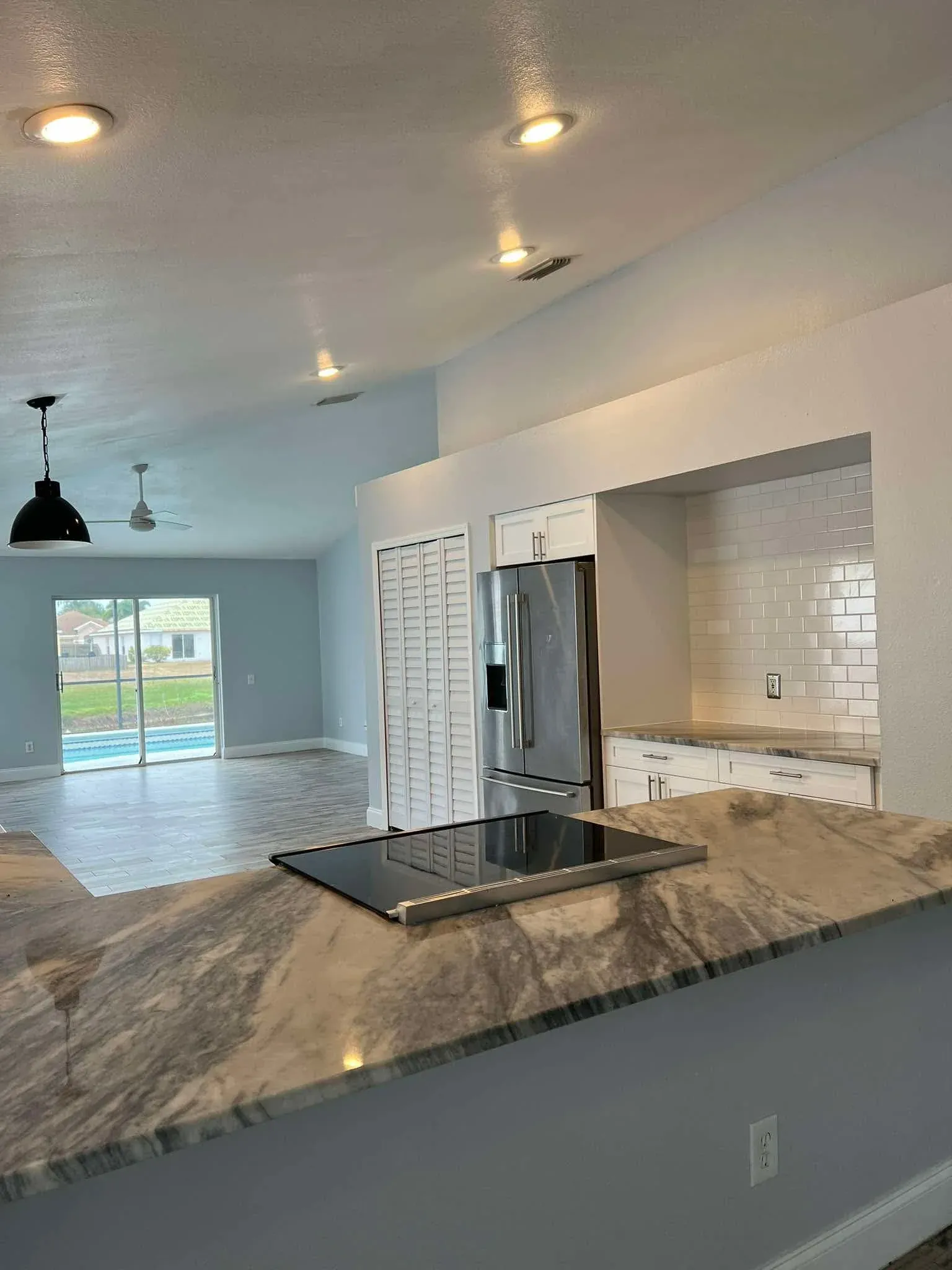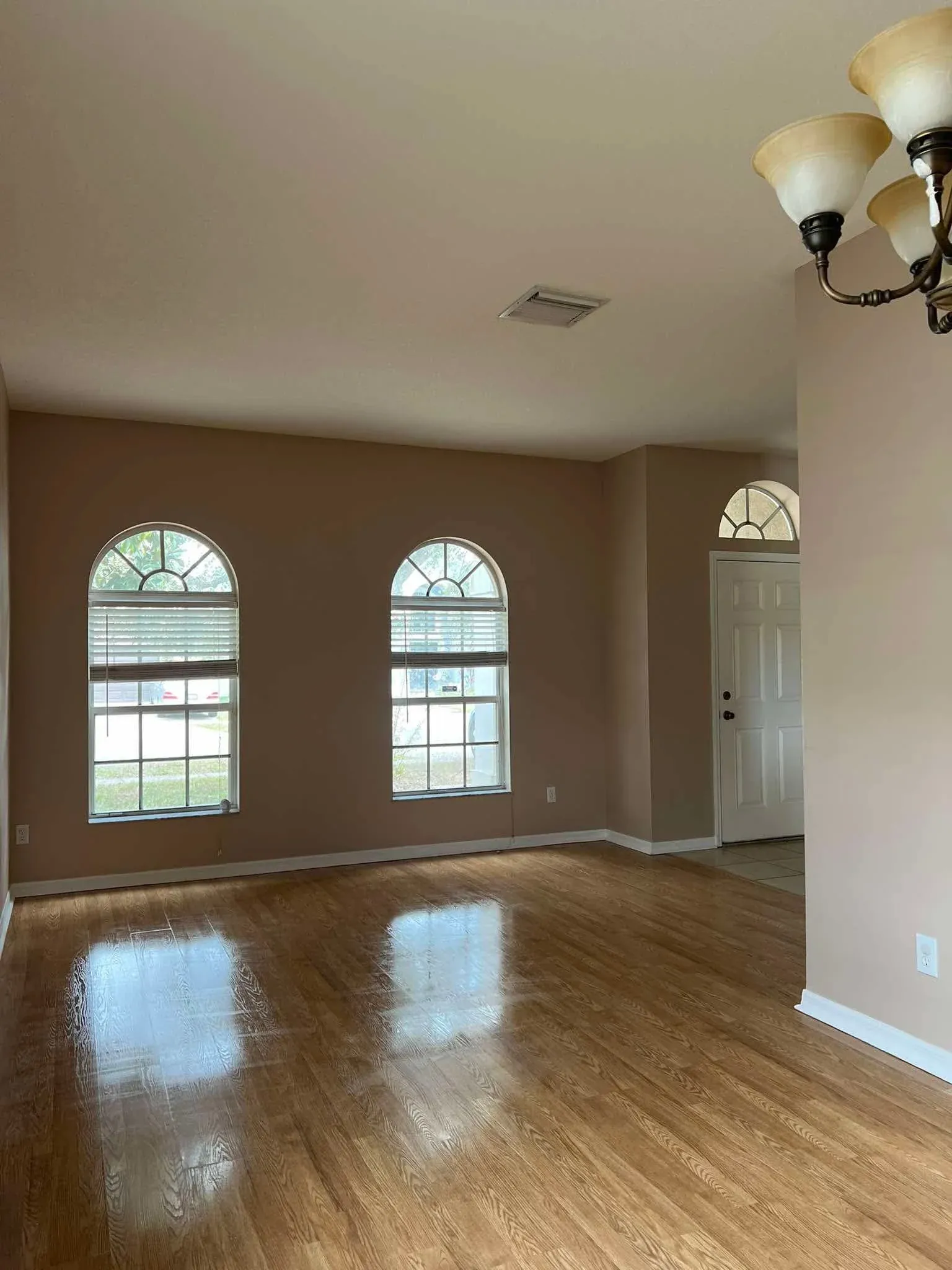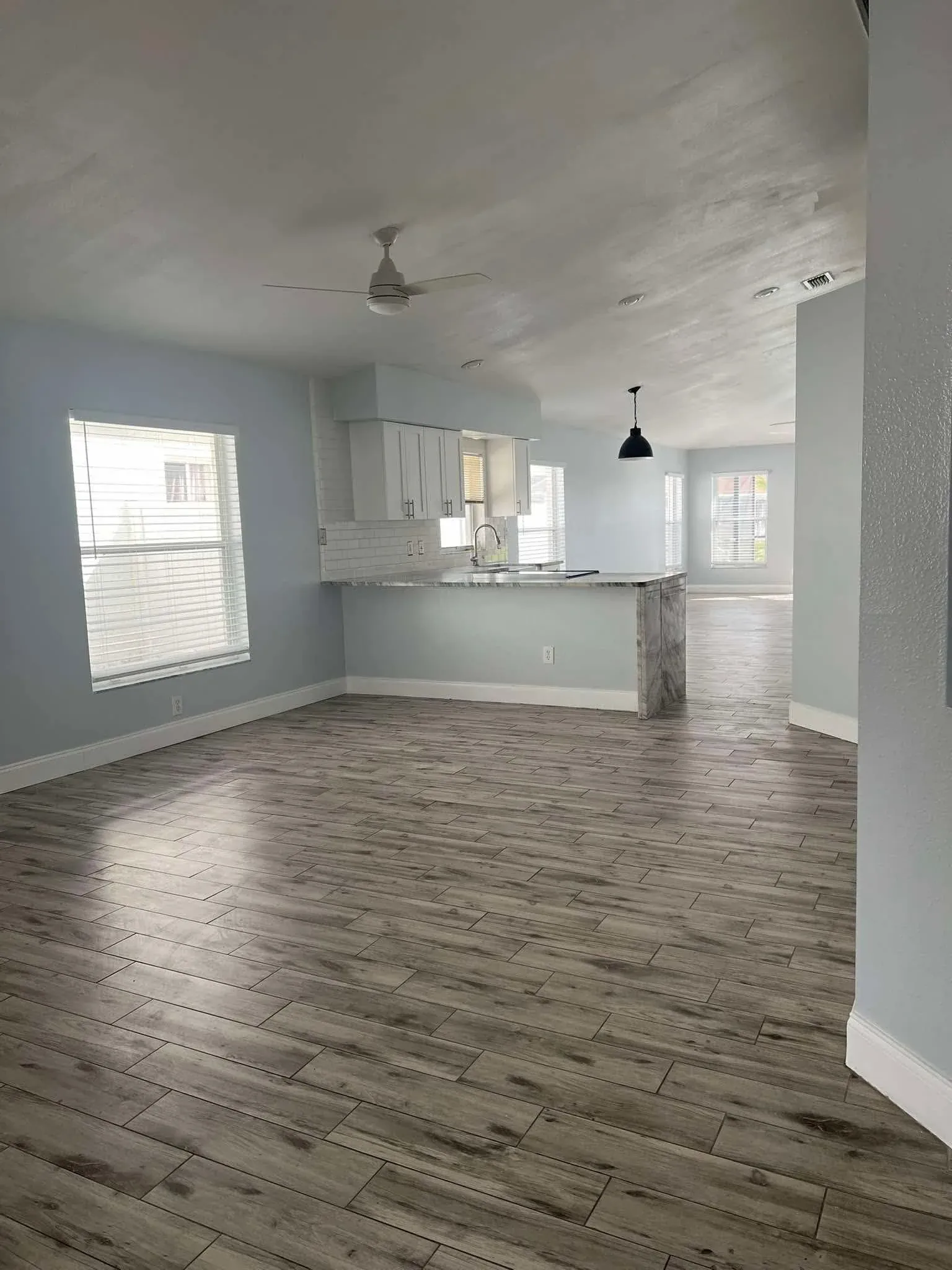
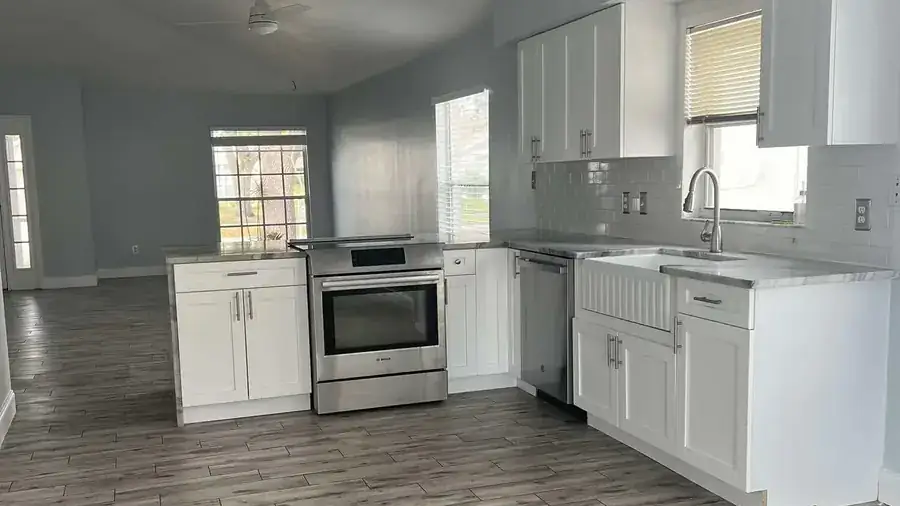
Your move-out cleaning is essentially the last test between you and getting your full security deposit back. In Florida, landlords have 15 days after the end of your lease to return your deposit, or 30 days if they plan to make deductions. If cleaning is cited as the reason for a deduction, you want documentation that you left the home in excellent condition.
This checklist covers every room a landlord or property manager will inspect. Use it yourself or hand it to a professional cleaning team before the walkthrough. Either way, the goal is the same: leave nothing for the landlord to charge you for.
What this post covers:
- Florida deposit law and what it means for move-out cleaning
- Kitchen checklist
- Bathroom checklist
- Bedrooms and closets checklist
- Common areas and entryways checklist
- What Pasco County landlords check most
- When DIY makes sense vs. when to hire a professional
Florida Deposit Law and Move-Out Cleaning
Florida Statute 83.49 gives landlords the right to deduct from your security deposit for cleaning costs if the unit is not returned in the same condition as when you moved in, minus normal wear and tear. The key phrase is "normal wear and tear." A landlord cannot charge you for faded paint or carpet that wore down naturally over two years. But they can charge for a dirty oven, stained grout, or residue left in cabinets.
Most Pasco County lease agreements specify that the unit must be returned in "broom clean" or "professionally cleaned" condition. If yours says "professionally cleaned," you may want a receipt from a licensed cleaning company as documentation. Some landlords require it explicitly.
Take photos of every room immediately after cleaning, before you hand over keys. Time-stamped photos are your best protection if there is a dispute.
Kitchen Checklist
The kitchen is where most move-out cleaning disputes start. Landlords check here first, and they check thoroughly.
- Inside the oven: clean all residue, baked-on grease, and splatter from walls and door glass. Remove racks and clean separately.
- Oven broiler drawer: often forgotten. Clean any grease or food debris.
- Stovetop and burner grates: degrease entirely. Replace drip pans if they cannot be cleaned.
- Range hood and filter: degrease the hood interior and exterior. Wash the filter or replace it if saturated.
- Inside the microwave: ceiling, walls, turntable, and door interior.
- Microwave exterior: top, sides, and door handle.
- Inside the refrigerator: all shelves, crisper drawers, door bins, and door seals. Remove all food. Clean the freezer compartment and defrost if needed.
- Behind and under the refrigerator: pull it out and clean the floor underneath and the wall behind it.
- Dishwasher: clean filter, spray arms, and door seal. Wipe down exterior.
- All cabinets and drawers: clean inside every one, including shelves. Remove any liner paper left behind.
- Cabinet exterior surfaces: doors and drawer fronts wiped clean of fingerprints and grease.
- Countertops: all surfaces cleaned under and behind any items left by you. Grout lines scrubbed if tile.
- Sink and faucet: scrubbed and descaled. Check around the base of the faucet for mineral buildup.
- Backsplash: all tile and grout cleaned of splatter and grease.
- Floors: swept and mopped, including underneath the refrigerator and stove.
- Baseboards: wiped down throughout the kitchen.
- Light fixtures: cleaned or dusted.
Bathroom Checklist
Bathrooms are the second most scrutinized area. Grout, fixtures, and the area behind the toilet are the spots landlords look at most carefully.
- Toilet: scrub bowl inside and out. Clean behind the toilet and around the base. Wipe down tank, lid, and handle.
- Shower or tub: scrub walls, floor, and fixtures. Remove all soap scum and staining from grout lines and tile.
- Shower door or curtain rod: clean tracks, glass, and hardware. Remove the shower curtain if provided with the unit.
- Faucets and showerhead: descale mineral deposits. Polish hardware.
- Sink: scrub basin. Clean drain. Wipe down faucet and handles.
- Mirror: streak-free clean.
- Vanity and medicine cabinet: wipe inside and out. Remove all personal items.
- Cabinet under the sink: clean interior. Check for moisture or mold.
- Exhaust fan cover: remove and wash. Vacuum inside the fan housing.
- Tile floors: scrub grout lines on the floor, not just mop.
- Baseboards: wiped throughout.
- Light fixtures: wiped or dusted.
- Window sills and tracks: wiped clean.
Moving out in Tampa Bay or Pasco County? Sunshine Clean & Care's move-out cleaning service covers this entire checklist. We help renters get their full deposit back.
Bedrooms and Closets Checklist
Bedrooms look easier to clean than they are. Baseboards, closet interiors, and ceiling fans are the areas where renters most often fall short during a walkthrough.
- Closets: clean inside, including shelves, rod, floor, and walls. Remove any residue or marks on walls.
- Ceiling fan: wipe both sides of all blades. Clean the housing and any light globes.
- Light fixtures: clean or dust all fixtures.
- Windows: clean interior glass. Wipe sills and tracks. Make sure blinds are clean (wipe each slat individually if needed).
- Baseboards: wipe down on every wall, including inside closets.
- Walls: wipe off scuff marks. Check for sticky residue from posters or tape.
- Door frames and door handles: wiped down.
- Light switches and outlet plates: cleaned of fingerprints and residue.
- Floors: vacuum and mop. Get under where the bed was, even if nothing is visible from the door.
- Mirror (if built-in): streak-free clean.
Common Areas and Entryways Checklist
- Living room floors: vacuum and mop. Check corners, baseboards, and under furniture marks.
- Ceiling fans: same as bedrooms. Both sides of blades.
- Baseboards throughout: wiped on all walls in all common areas.
- Walls: check for marks, scuffs, and residue. Wipe what you can without causing paint damage.
- Light switches and outlet plates: cleaned throughout.
- Window blinds and sills: all windows wiped, blinds cleaned.
- Entryway floor: sweep, vacuum, or mop. Check the door threshold.
- Front door interior: wipe the door, handle, and frame. Clean any window pane if present.
- Laundry room: clean inside the washer drum (run a cleaning cycle) and wipe the exterior of both machines. Clean the dryer lint trap and housing. Mop the floor. Wipe shelves.
- All vents: wipe covers throughout the home.
- Garage (if included in your rental): sweep floor, remove all belongings, wipe down any shelving provided.
What Pasco County Landlords Check Most
After working with many renters and homeowners across Wesley Chapel, New Port Richey, Land O' Lakes, and Zephyrhills, the items that come up most often in deposit disputes are:
- The oven interior. Landlords open the oven every single time. Grease and residue that built up over a year of cooking does not look like "normal wear and tear." It looks like neglect.
- Bathroom grout. Pink or dark discoloration on grout is the most common bathroom deduction. It takes a grout brush and the right cleaner, not just a standard bathroom spray.
- Behind the toilets. Every property manager checks the floor behind the toilet. The area is frequently missed during move-out cleaning because it requires getting low and looking.
- Inside cabinets and drawers. Both kitchen and bathroom. Landlords open everything and check shelves and interiors for residue, stains, or lingering smells.
- Ceiling fan blades. Visible from below if there is heavy buildup. Easy to miss during move-out because most people clean at eye level.
- Closet floors and interiors. The back corners of closets are checked. Sand, dust, pet hair, and debris accumulate there and are easy to overlook when you have already packed everything out.
When to Do It Yourself vs. When to Hire a Professional
DIY move-out cleaning is completely workable if your home is in relatively good condition and you have one to two full days available. Here is the honest breakdown:
DIY makes sense when:
- The home is a studio or one-bedroom
- You have kept up with regular cleaning throughout your tenancy
- There are no heavy stains, significant grease buildup, or mold concerns
- Your lease does not specifically require professional cleaning documentation
Hire a professional when:
- The home is two bedrooms or larger
- You have pets or children (and the cleaning reflects it)
- You are short on time between moving out and key return date
- The oven, grout, or appliances have significant buildup that requires commercial-grade products
- Your lease says "professionally cleaned" and you want documentation
- You have seen how landlords in this area handle deposits and want the protection of a receipt
A professional move-in/move-out cleaning from Sunshine Clean & Care covers this entire checklist. We also provide documentation of the clean if you need it for your records or as a lease requirement.
If you are moving into a new home rather than out, the same checklist applies in reverse. Read our post on deep cleaning vs. regular cleaning to understand what a move-in clean covers and why it differs from standard deep cleaning.
For pricing specific to your home in Pasco County, visit our pricing page or call 727-207-2119.
Leaving a rental in Tampa Bay or Pasco County? Book your move-out clean with Sunshine Clean & Care and cross every item on this list off before your walkthrough.