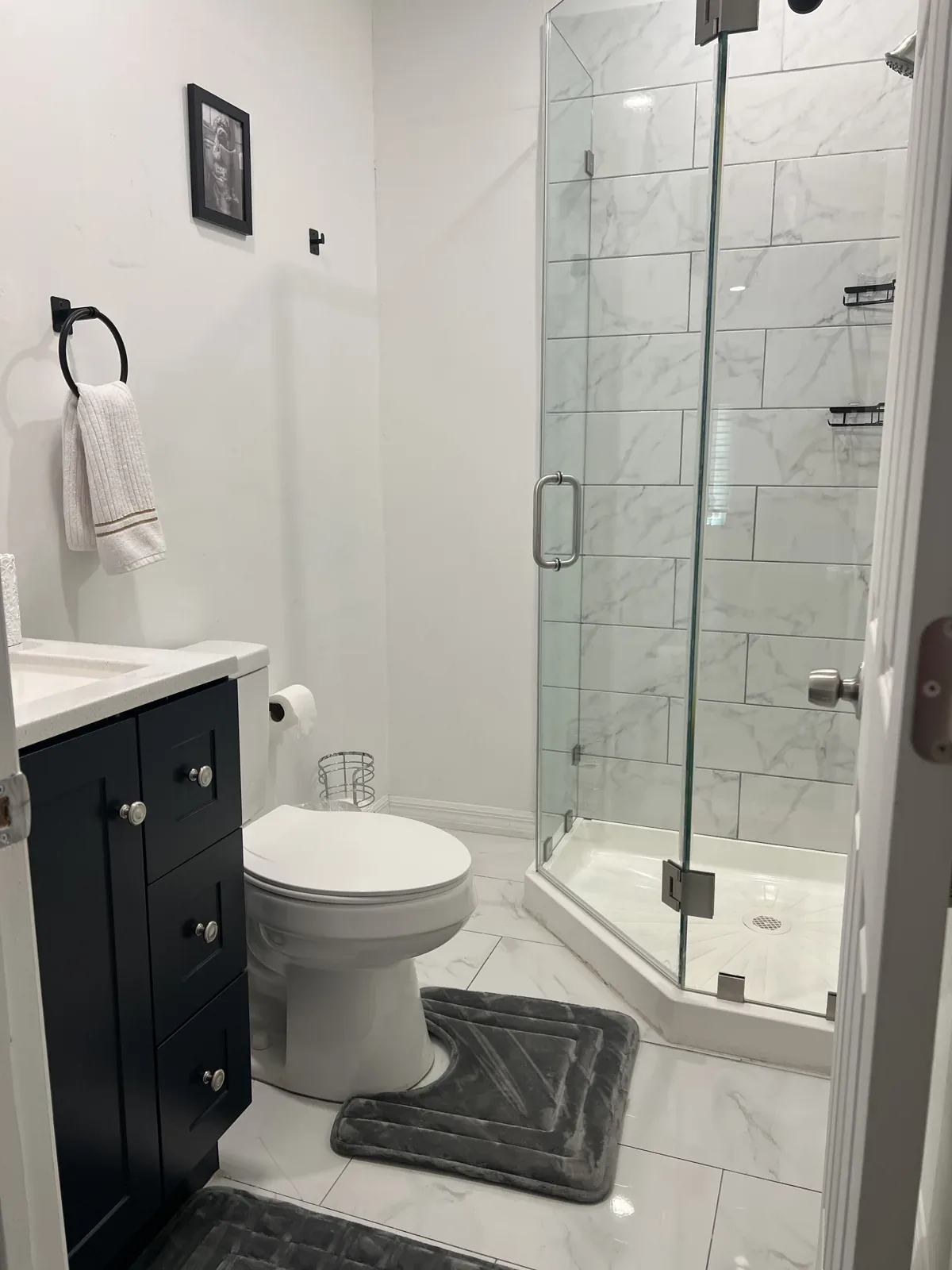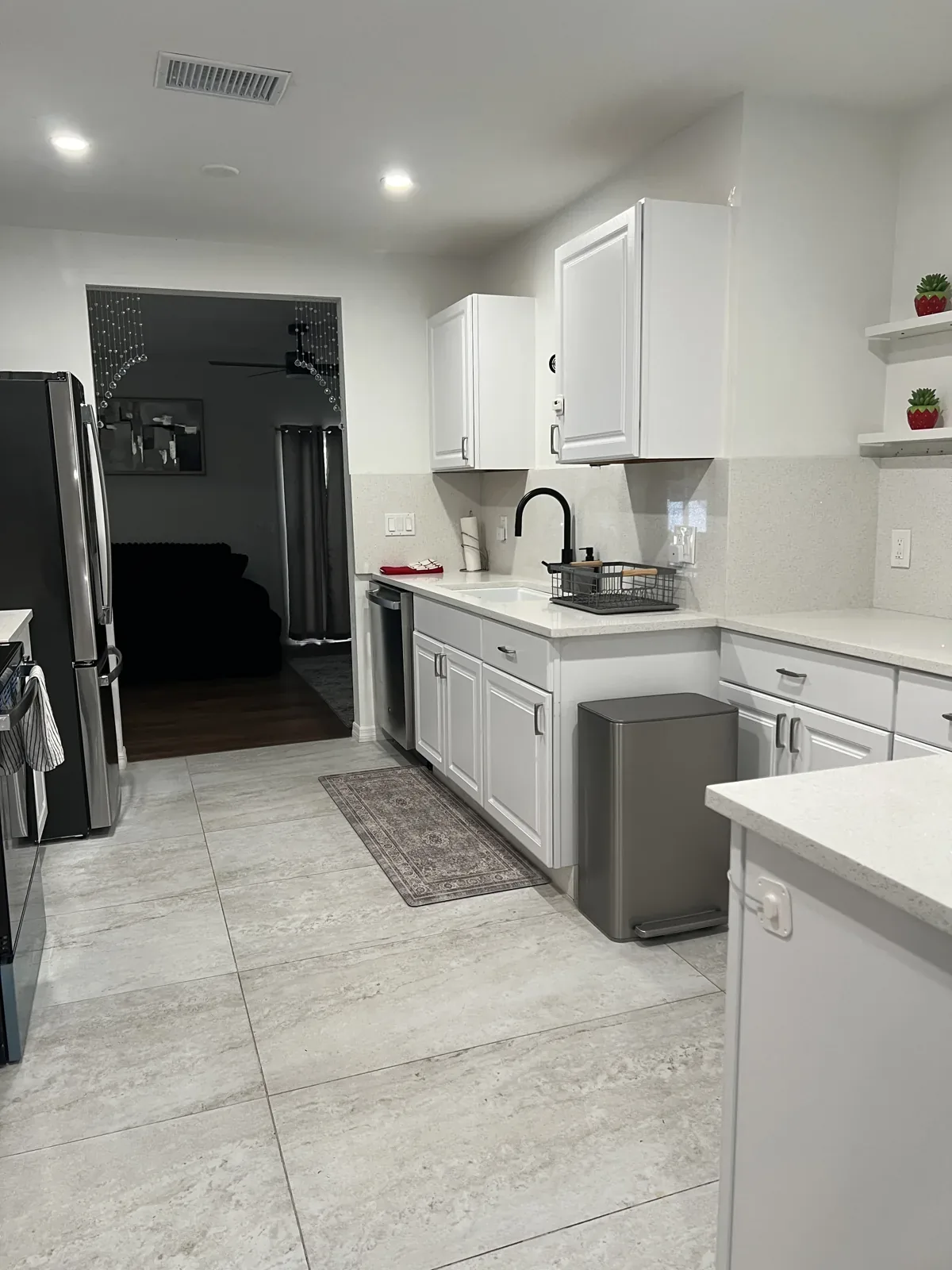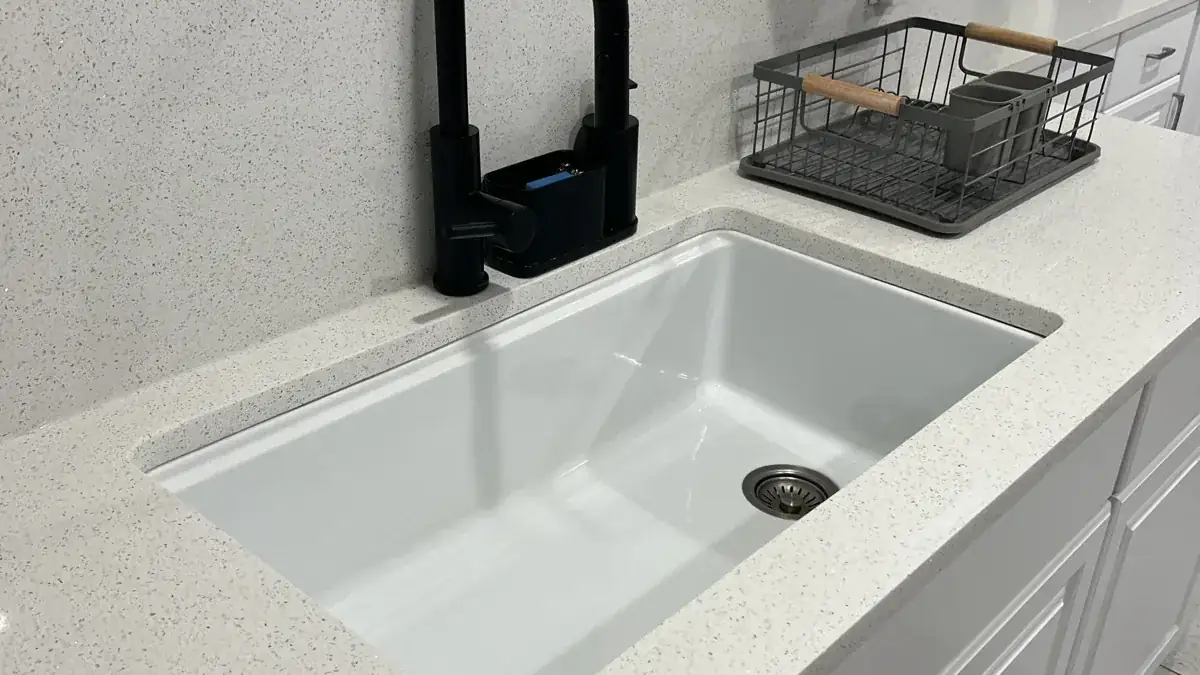
The contractor is gone, the walls are painted, and the house is still covered in a pale film. Construction dust is finer than regular dust, and it gets into places a normal clean never reaches. Cabinet tops, window tracks, door frames, air vents, and the inside of light fixtures all hold it.
This checklist covers the order to clean after a remodel, an addition, or new construction, and the points where doing it yourself stops being a good idea. If you would rather hand it off, our post-construction cleaning page explains how a team approaches it.
What this post covers:
- What to do before any cleaning starts
- Dust and debris first, always top to bottom
- Surfaces, fixtures, and glass
- Floors last
- Vents, filters, and the dust that keeps coming
- What stays outside a normal cleaning
Before You Clean Anything
Cleaning too early is the most common mistake. If a painter is still touching up, or an electrician has one more visit, you will clean twice. Ask the contractor for a firm finish date and for every trade to confirm they are done.
- Walk the job with the contractor and photograph anything that is not finished. A punch list is easier to settle before you start cleaning.
- Remove leftover materials: scrap lumber, tile boxes, caulk tubes, paint cans, plastic sheeting, and tape. Haul large debris away first.
- Open windows if the weather allows, and run fans. Closing a house in Florida humidity with fresh dust and drywall compound is a recipe for a musty smell.
- Change or cover the HVAC filter. A running system pulls dust through the ducts and spreads it to every room.
If the home was built before 1978 and the work disturbed painted surfaces, read the EPA's page on lead-safe renovation work. EPA says most homes built before 1978 still contain some lead-based paint, and that renovation can create dangerous lead dust. If you suspect lead paint was disturbed, stop and read that page before you sweep or vacuum.
Dust and Debris First, Always Top to Bottom
Gravity decides the order. Dust you wipe from a cabinet lands on the floor, so the floor goes last. Work from the ceiling down, and from the room farthest from the door toward the exit.
- Remove protective film, tape, and stickers from windows, appliances, fixtures, and door hardware. Peel slowly, since old tape can leave residue.
- Use a vacuum with a brush attachment on ceilings, corners, light fixtures, and the tops of door frames. A HEPA-filter vacuum holds fine dust better than a standard one, which can blow it back out.
- Vacuum inside cabinets, drawers, closets, and shelving before you wipe them.
- Vacuum window tracks, sliding door tracks, and the tops of baseboards.
Do not use a leaf blower or a dry broom indoors. They lift the finest dust into the air, and it all settles again on what you just finished.
Surfaces, Fixtures, and Glass
After vacuuming, wipe with a damp microfiber cloth and rinse the cloth often. A dry cloth just moves dust around. A cloth that turns gray means the dust is coming off, so change it before it turns into paste.
- Cabinets and drawers: wipe the inside, outside, and the top edges. Check hinges, since dust and paint specks collect there.
- Countertops and backsplash: wipe, then check grout lines for haze left over from tile work.
- Doors and trim: wipe the door faces, edges, frames, and all baseboards.
- Light fixtures and fans: take down glass covers and wash them. Wipe fan blades on both sides.
- Bathroom fixtures: remove sticker residue, wipe faucets, and clean the inside of the vanity.
- Windows and mirrors: lift paint specks off glass with a plastic or razor scraper held flat, then clean with glass cleaner.
Painted walls need a gentle hand. Wipe a small hidden spot first to test whether the paint is fully cured. Fresh paint can mark if rubbed too hard.
Rather not spend a weekend on construction dust? Sunshine Clean & Care offers post-construction cleaning across Tampa Bay and Pasco County. Tell us what was built and when the last trade finishes.
Floors Last
By now most of the dust is off the walls and surfaces and sitting on the floor. Vacuum slowly, with the floor tool that suits the surface, and go over each spot twice.
- Hard floors: vacuum first, then mop with a mild cleaner. Change the water as soon as it is cloudy. Dirty mop water just spreads thin dust.
- Tile and grout: look for cement haze or grout film. Cleaners that dissolve it vary by product, so follow the tile maker's instructions.
- Carpet: vacuum slowly in two directions. Construction dust works deep into carpet fibers.
If new flooring was installed, check the manufacturer's care guide before using any wet method. Some wood and laminate floors should only be damp-mopped.
Vents, Filters, and the Dust That Keeps Coming
Here is the part nobody warns you about: dust keeps coming back for weeks. It lives in the walls, the attic, and the ducts, and it settles again each time the air system runs.
- Wipe the supply and return vent covers, and vacuum what you can reach.
- Replace the HVAC filter after the first few days, and again after about a month.
- Plan a second wipe-down of horizontal surfaces about a week or two after the first clean.
- Ask your contractor whether the ducts were covered during the work. If they were not, a professional duct cleaning may be worth considering.
This is also why professional teams set expectations. At Sunshine Clean & Care, our client policy says post-construction cleaning uses HEPA vacuuming and wet cleaning, and it still does not guarantee a property stays dust-free afterward, because remaining airborne dust settles after the team leaves. Any construction done after our cleaning is a separate service. See our client policies for the full wording.
What Stays Outside a Normal Cleaning
Some jobs after construction are not a cleaning job at all. Know the line so you hire the right person.
- Mold found behind finished walls, in a new bathroom, or after water damage needs a mold professional, not a cleaner.
- Concrete splatter, thick adhesive, and paint on tile are repair or restoration work.
- Heavy debris hauling and dumpster loads are for the contractor or a junk removal company.
- Furniture and appliances that are too heavy to move safely stay where they are. Our cleaners do not move heavy furniture or appliances, so clear those areas first if you want them cleaned.
For a more everyday reset once the dust is gone, our room-by-room deep clean guide shows what a full top-to-bottom clean covers, and our move-in cleaning page helps if you are heading straight into a new build.
Finishing a remodel or a new build in Florida? Call us or send a note with your project dates and square footage. We will explain what a post-construction clean covers and what comes after.