Every spring cleaning article on the internet was written for someone in Ohio. Defrost the pipes. Clean the storm windows. Put away the snow boots. That is not your reality. If you live in Tampa Bay, spring means something completely different: the humidity is climbing, pollen season is in full swing, hurricane season is around the corner, and your AC is about to work harder than it has since October.
Spring cleaning in Florida is not about recovering from winter. It is about preparing for the six most demanding months your home will face. This guide covers the tasks that actually matter for Pasco County and Tampa Bay homeowners, none of the northern-state filler.
What this post covers:
- Why Florida homes need a different spring cleaning approach
- A Florida-specific spring cleaning checklist
- How to tackle humidity and mold hot spots
- Outdoor spaces: lanai, pool deck, and garage
- When to schedule a professional deep clean
Why Florida Homes Need Spring Cleaning Differently
In northern states, spring cleaning is about opening up a house that has been sealed for months. Removing stale winter air. Dusting surfaces neglected during hibernation. That makes sense when your house has been buttoned up since November.
In Tampa Bay, your house was not sealed. Your AC ran through December. You had the windows open during the mild weeks in January and February, which let pollen, dust, and humidity straight in. Your home has been "open" in some form all year, which means a different set of problems needs addressing.
Humidity is the primary concern. As temperatures rise from the 70s into the 90s between March and May, indoor humidity spikes. Your AC works harder to dehumidify, and any moisture pockets in your home (under sinks, behind toilets, in closets against exterior walls, around window frames) become prime real estate for mold and mildew.
Pollen peaks in spring. Tampa Bay's pollen season runs roughly from late February through April, with oak and pine pollen being the worst offenders. That yellow film on your car? It is inside your house too, coating surfaces, clogging AC filters, and aggravating allergies. Spring cleaning needs to address pollen removal specifically.
Hurricane season starts June 1. Spring is your window to prepare outdoor areas, clean gutters, organize the garage (where you will need to access supplies quickly), and make sure your home is in order before storm season arrives. Waiting until May is cutting it close.
Pest activity increases. Ants, roaches, and palmetto bugs become more active in spring warmth. A thorough spring clean removes the crumbs, moisture, and clutter that attract them. Sealing entry points is easier when you can see them clearly during a deep clean.
Your Florida Spring Cleaning Checklist
This checklist is organized by priority. Start at the top and work down. Not everything needs to happen in one weekend. Spread it across 2 to 3 weekends or book a professional team to knock it out in a day.
HVAC system (do this first)
- Replace the AC filter. If you have not changed it since January, do it now. During peak usage months (April through September), change it every 30 to 45 days instead of the standard 90. A clogged filter makes your system work 15% to 20% harder, which shows up directly on your FPL bill.
- Clean all supply and return vents. Remove vent covers, wash them in soapy water, and vacuum inside the duct opening as far as you can reach. Dust, pet hair, and pollen accumulate in vents all winter.
- Check your thermostat settings. If you switched to a lower fan speed during cooler months, bump it back up. Make sure "auto" mode is selected so the fan only runs when cooling, which helps with dehumidification.
- Schedule AC maintenance. A professional tune-up in early spring catches refrigerant issues, dirty coils, and drainage problems before your system runs full-time for six months straight. This is Pasco County standard: most HVAC companies offer spring specials.
- Check the condensate drain line. Pour a cup of bleach or vinegar down the line to prevent clogs. A clogged condensate line can cause water damage and mold growth near your air handler, which is often located in a closet or attic.
Mold and moisture check
- Inspect under every sink. Kitchen, bathrooms, laundry. Look for drips, stains, soft spots, or musty smell. Catch small leaks now before summer humidity turns them into mold problems.
- Check around windows and sliding doors. Florida's afternoon thunderstorms can push water through deteriorated seals. Look for discoloration on the sill, frame, or surrounding drywall. Re-caulk where needed.
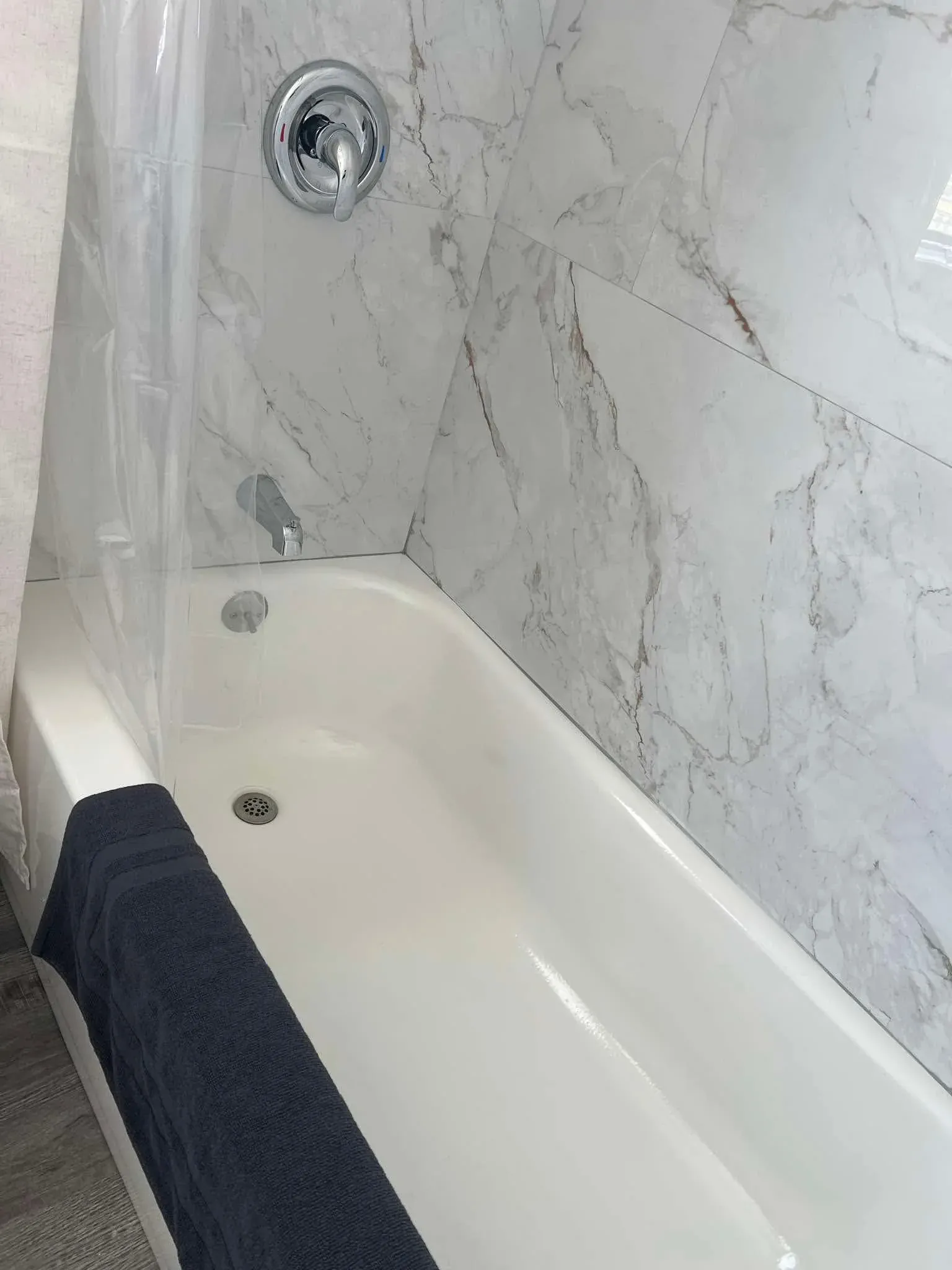
- Inspect bathroom grout and caulk. If grout is crumbling or caulk is peeling, moisture is getting behind the tile. Re-caulking a tub or shower takes 30 minutes and prevents hundreds of dollars in future damage.
- Check closets on exterior walls. These are sneaky mold spots. Air circulation is poor, and the wall gets warm from outside, creating condensation. If you smell anything musty, pull everything out and check the walls and floor.
- Run your bathroom exhaust fans. Test each one. If it barely pulls air, the duct might be clogged or the motor is failing. Functioning exhaust fans are your first defense against bathroom mold during humid months.
Kitchen deep clean
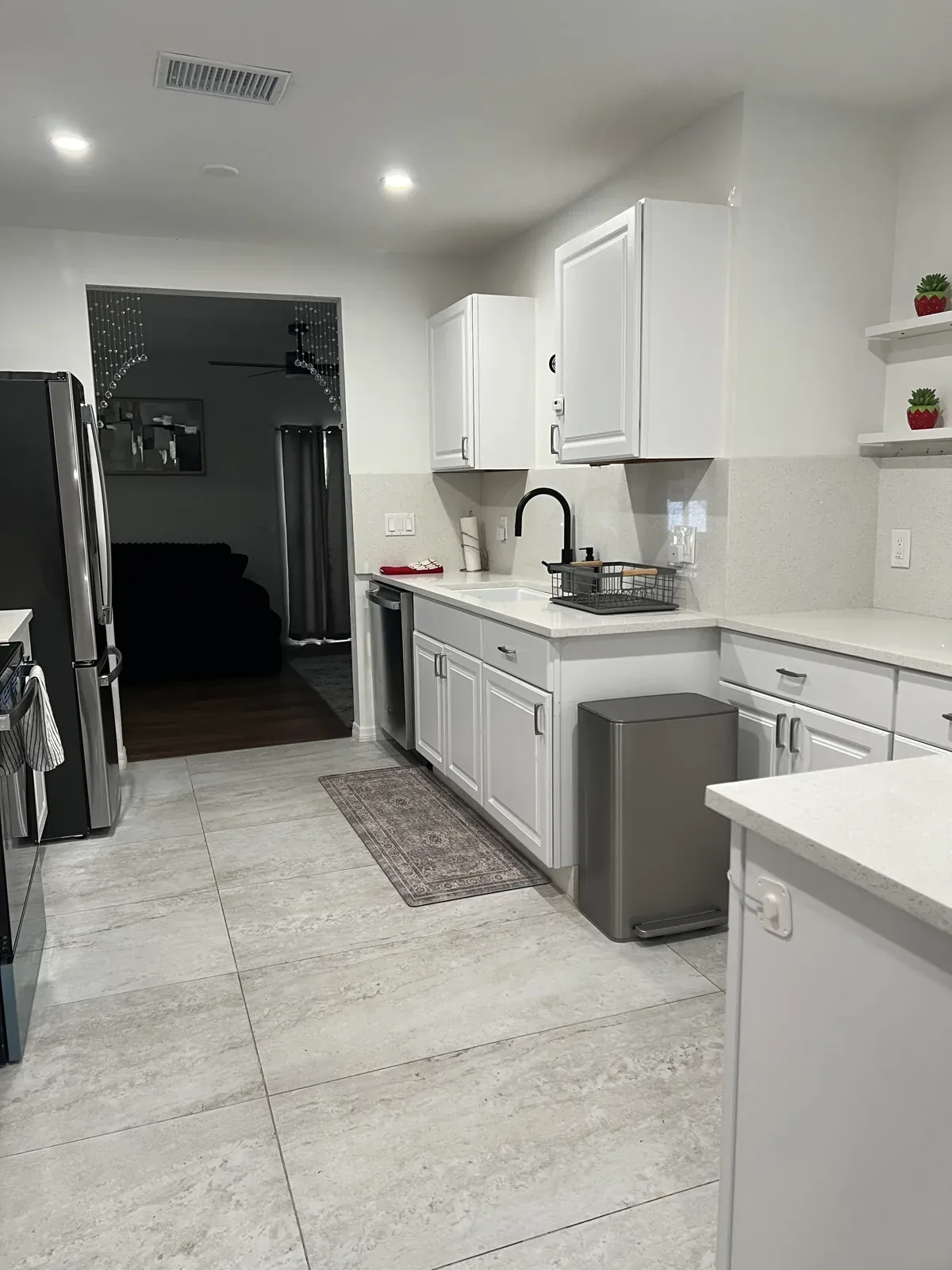
- Pull out the refrigerator and stove. Clean behind and underneath both. Florida's warmth means food particles decompose faster, and roaches are drawn to exactly these hidden spots.
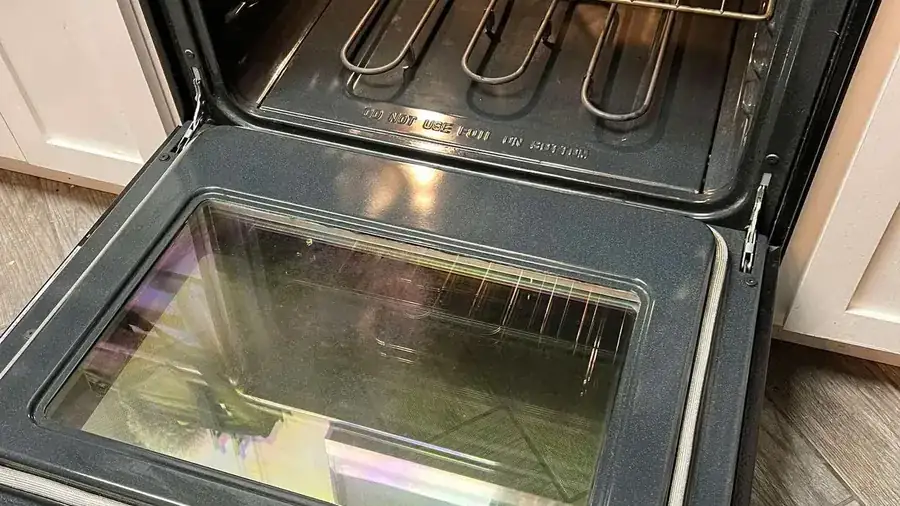
- Clean the oven interior. If you have been putting this off since Thanksgiving, now is the time. Baked-on grease gets harder to remove the longer it sits.
- Degrease the range hood and filter. Soak the filter in hot water with dish soap. Wipe down the hood exterior and interior. A clean filter improves kitchen air quality and reduces grease buildup on cabinets.
- Wipe cabinet interiors. Remove everything, toss expired items, wipe shelves, and reorganize. Check for signs of pests while cabinets are empty.
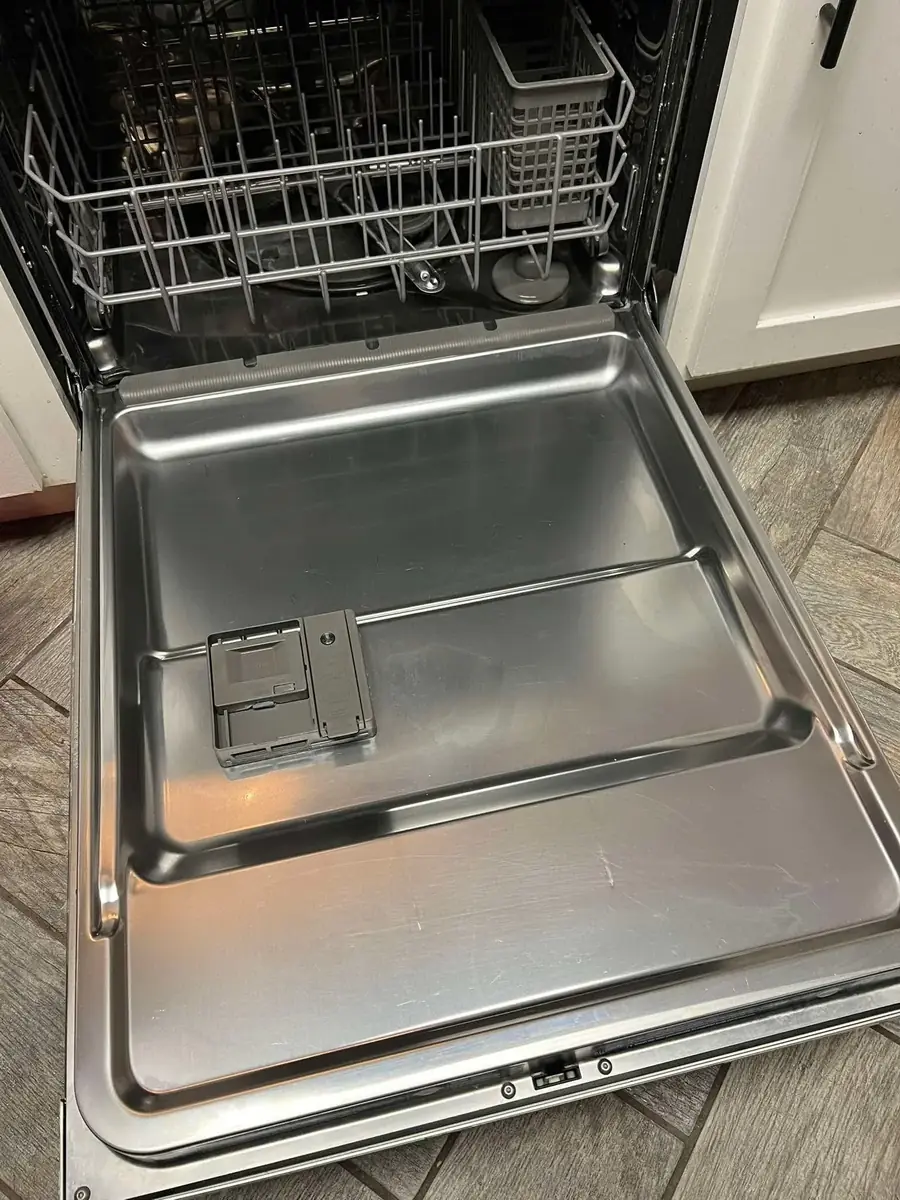
- Descale the dishwasher. Run an empty cycle with vinegar or a dishwasher cleaner. Clean the filter at the bottom. Florida's hard water leaves mineral deposits that reduce cleaning effectiveness over time.
- Clean the garbage disposal. Ice cubes and citrus peels, then flush with hot water. If yours smells, pour baking soda down the drain, follow with vinegar, let it fizz for 10 minutes, then flush.
Bathrooms
- Scrub all grout lines. Use a grout brush and appropriate cleaner (or baking soda paste for a non-toxic option). Focus on shower floors and walls where moisture sits longest.
- Descale faucets and showerheads. Soak in vinegar for an hour, then scrub. Tampa Bay's water leaves calcium deposits that restrict flow and look terrible.
- Clean exhaust fan covers. Remove, wash, dry, and replace. Dusty fan covers reduce airflow by up to 50%.
- Wash shower curtains and liners. Machine-wash fabric curtains. Replace plastic liners if they show mold.
- Organize under-sink cabinets. Toss old products. Check for leaks while everything is out.
Windows, blinds, and doors
- Clean window glass inside and out. Pollen film from February and March is likely coating exterior glass. Use vinegar solution or glass cleaner.
- Clean window tracks and sills. Vacuum tracks first, then wipe with a damp cloth. Dirty tracks prevent windows from sealing properly, which lets humid air in.
- Dust or wipe all blinds. In Florida homes, blinds collect pollen and dust faster because windows are often partially open during mild weather. Microfiber cloths work better than dusting sprays.
- Clean sliding glass door tracks. Vacuum the track, scrub with an old toothbrush and soapy water, then wipe clean. A smooth track also means the door seals properly when closed.
- Check weather stripping. Inspect all exterior doors. Florida sun degrades weather stripping faster than northern climates. Replace any that is cracked, compressed, or peeling. Good seals keep humidity and bugs out.
Want the spring deep clean without the weekend project? Sunshine Clean & Care offers professional deep cleaning across Tampa Bay and Pasco County. We bring everything, you enjoy the results.
Tackling Florida's Humidity and Mold Problem Areas
Mold is not an "if" in Florida. It is a "where" and "how fast." Tampa Bay averages 60% to 80% relative humidity for most of the year, and indoor levels can match outdoor levels if your home is not managed properly.
During spring cleaning, give extra attention to these common mold zones:
Behind furniture against exterior walls. Dressers, headboards, and bookshelves pushed against exterior walls trap moisture between the furniture and the wall. Pull them out, check for discoloration, and leave at least 2 inches of gap for air circulation.
AC closets and air handler areas. The drip pan under your air handler can overflow if the drain line clogs. Check for standing water, rust, or water stains around the unit. Mold in this area gets distributed through your entire duct system.
Laundry rooms. Between the washing machine moisture, dryer lint, and typically poor ventilation, laundry rooms are high risk. Clean behind and under machines. Make sure the dryer vent hose is clear and properly connected. Leave the washer door open between loads to let the drum dry.
Closets without ventilation. Walk-in closets, especially those on exterior walls, trap humid air. If you notice musty smells or see mold on shoes, bags, or clothing, improve circulation with a small fan or dehumidifier. Keep closet doors cracked open when possible.
Under bathroom vanities. Slow drips from drain connections or supply lines create persistent moisture that feeds mold. Checking these during spring cleaning takes 30 seconds per bathroom and can save you a serious headache.
If you find active mold during your spring clean, small patches (less than 10 square feet) can be cleaned with a solution of one cup bleach to one gallon of water, or with a commercial mold remover. Make sure the area is ventilated and wear gloves. Anything larger, or anything behind drywall, needs professional remediation.
Outdoor Spaces: Lanai, Pool Deck, and Garage
Florida living means outdoor spaces are used year-round, and they need spring attention too.
Lanai and screened porch
Sweep or blow out all debris. Wipe down screen panels to remove pollen and cobwebs. Scrub the floor with a hose and deck brush (or pressure wash if the surface allows it). Clean outdoor furniture and cushions. Check screens for tears or gaps. A torn screen means mosquitoes, no-see-ums, and lovebugs all summer.
Pool deck and patio
Pressure wash concrete, pavers, or travertine to remove algae and mildew buildup from winter rains. Clean pool furniture. Inspect the pool cage for damage. Trim back any vegetation touching the cage or encroaching on the deck. Clear gutters along the roofline that drains onto the deck area.
Garage
This is your hurricane prep staging area. Spring is the time to organize it. Sweep the floor. Dispose of old paint, chemicals, and anything you no longer need (Pasco County has hazardous waste drop-off days). Organize hurricane supplies: flashlights, batteries, water jugs, tarps, and a battery-powered radio. Check that you can access everything quickly. If the garage is packed floor to ceiling, you will be scrambling on the day of a storm watch.
Pull items away from walls and check for pest entry points. Seal gaps around the garage door frame and any utility penetrations. Roaches and palmetto bugs enter garages first and migrate into the house from there.
When to Schedule a Professional Deep Clean
Doing your own spring cleaning is absolutely an option. Many Tampa Bay homeowners tackle it themselves over a couple of weekends. But there are good reasons to bring in a professional team, especially for the spring reset.
You want it done in one day. A professional team of 2 to 3 cleaners can do in 4 to 6 hours what takes one person an entire weekend. If your schedule is already packed, a single appointment handles the entire checklist above.
You have not deep cleaned since last spring (or longer). A year of buildup, especially through a Florida summer, requires serious effort. Oven interiors, grout lines, behind-appliance areas, and vent covers all need real scrubbing after 12 months of neglect. A pro team brings commercial-grade products and tools that make this work faster and more thorough.
You want to start a recurring cleaning schedule. The best time to start ongoing service is right after a deep clean. Your home starts from a clean baseline, and each recurring visit maintains it from there. Spring is the most popular time of year for new recurring cleaning clients in our experience.
You have mold concerns. If you found mold spots during your inspection and are not comfortable handling them yourself, a professional cleaning addresses surface mold safely and thoroughly. If the issue is larger, we can advise whether remediation is needed.
Sunshine Clean & Care's deep cleaning service covers every item on this checklist and more. We serve all of Pasco County and the Tampa Bay area, and spring is our busiest season for good reason. Booking early (February or March) gives you the best scheduling flexibility.
Check our FAQ page for answers to common questions about deep cleaning pricing, timing, and what to expect on the day of service.
Get your Florida home ready for summer. Spring cleaning in Tampa Bay is not optional. Book your professional deep clean before the humidity kicks into full gear.