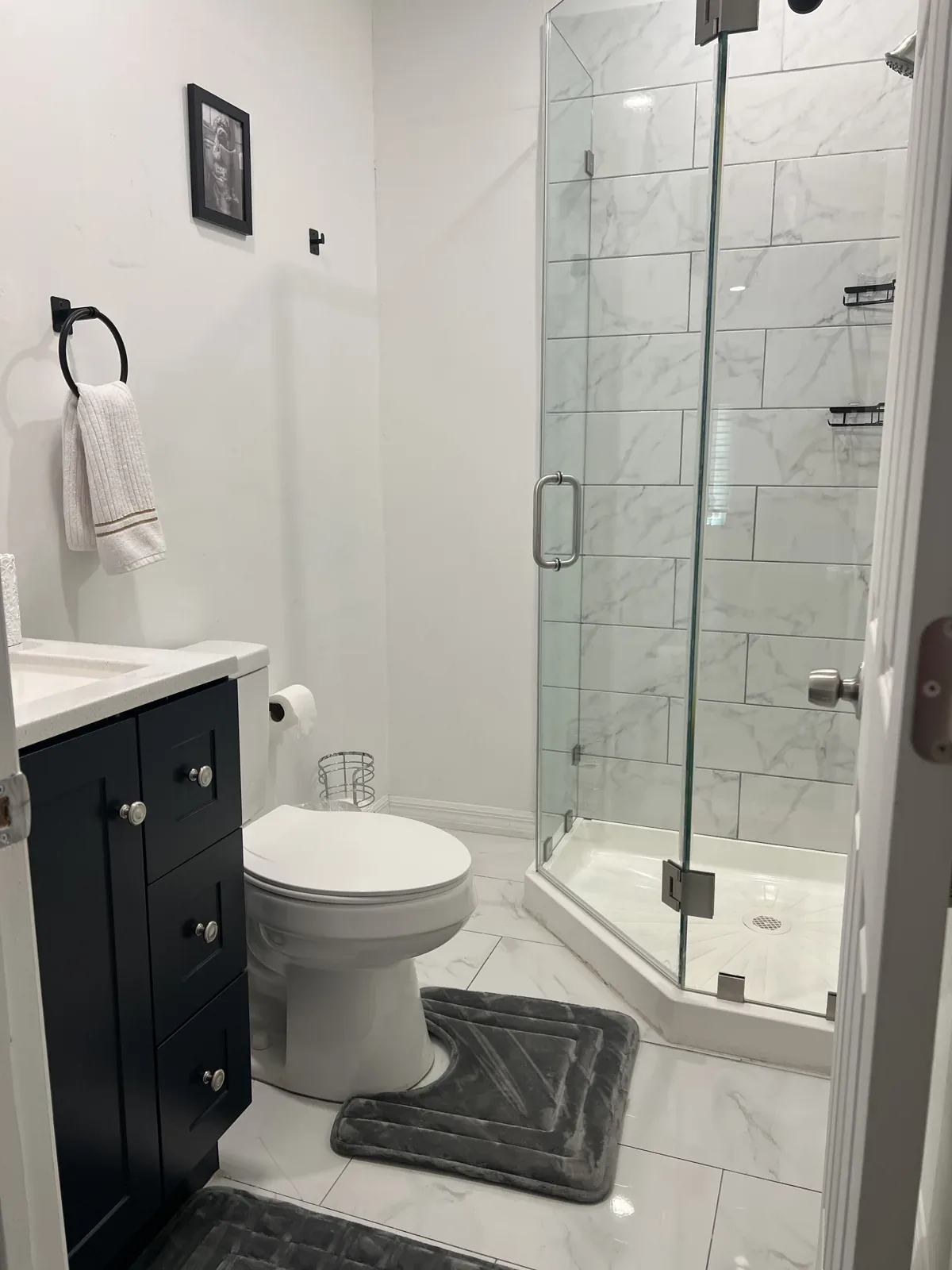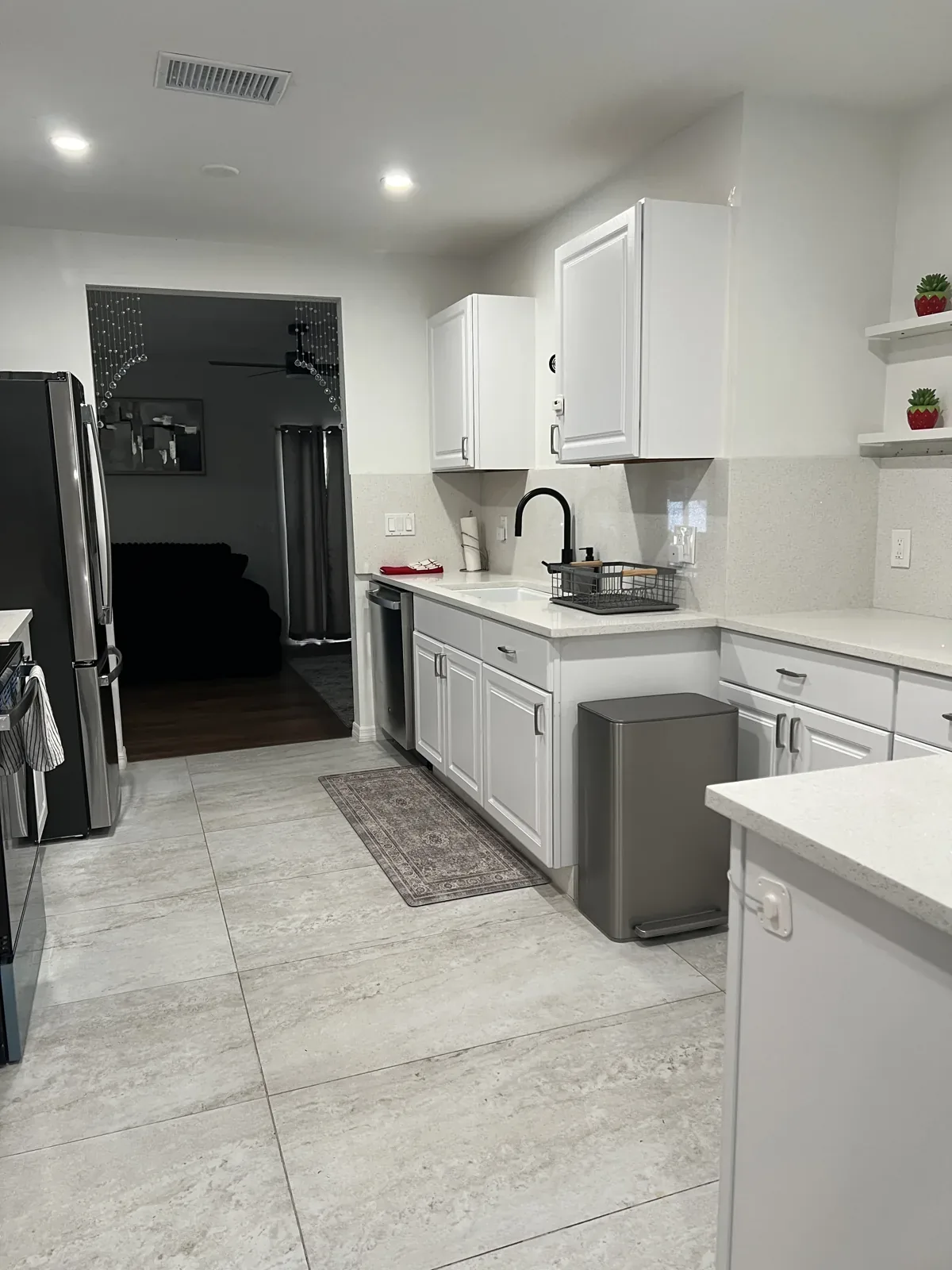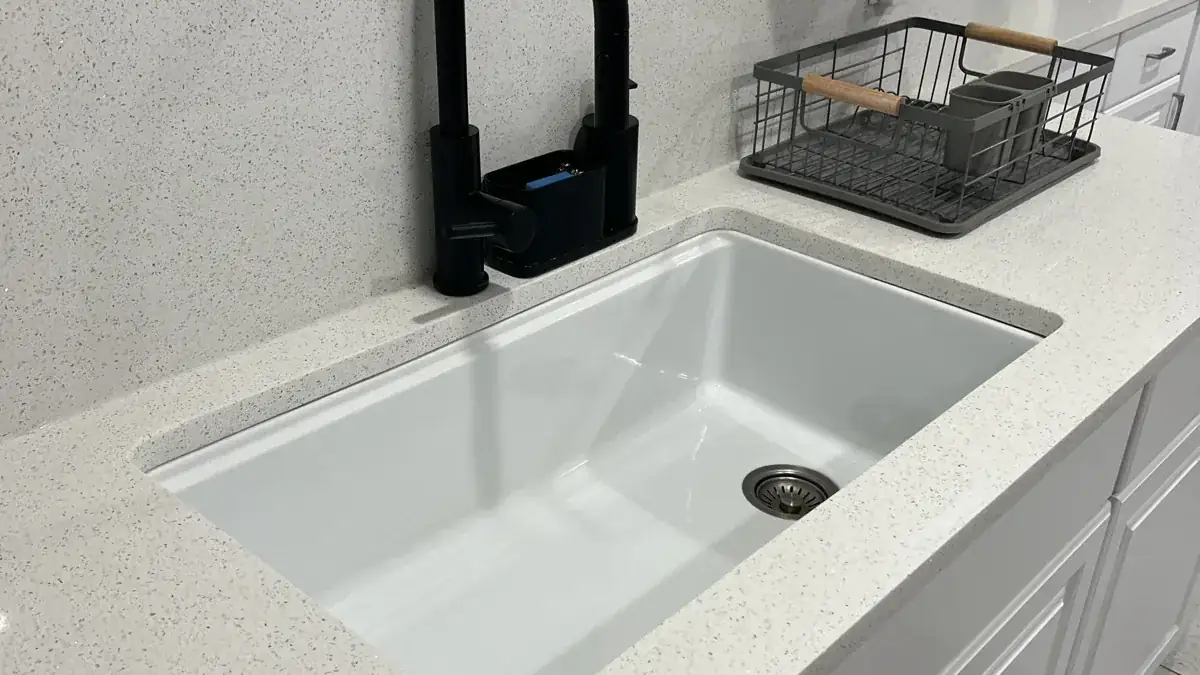
In Florida, a bathroom is a warm, wet room in a warm, wet climate. That is the perfect recipe for mold. The black spots in the grout, the pink film in the corner, and the musty smell under the sink all start from the same thing: moisture that stays too long.
The EPA puts it simply: mold needs moisture, so the key to mold control is moisture control. This guide turns that rule into a routine for a Tampa Bay bathroom, with sources you can check, and it says plainly when mold is beyond a cleaning job.
What this post covers:
- Why Florida bathrooms grow mold
- Ventilation: the fan is your best tool
- Dry the room after every shower
- Weekly habits that stop mold
- Fix leaks and moisture sources
- When mold is too big to handle yourself
Why Florida Bathrooms Grow Mold
Mold spores are in the air everywhere, indoors and out. They only start growing when they land on a wet or damp spot. According to EPA's guide to mold, moisture, and your home, none of the many types of mold will grow without water or moisture, and it is impossible to get rid of all mold spores indoors. So the goal is not a spore-free bathroom. The goal is a dry one.
Florida makes that harder. Outdoor humidity is high for much of the year, showers add more steam, and a bathroom with a small fan and no window has nowhere for it to go.
Ventilation: The Fan Is Your Best Tool
EPA lists running the bathroom fan or opening a window when showering as one of the simplest ways to reduce humidity.
- Turn the fan on before you step in, and leave it on for 20 to 30 minutes after.
- Check that it moves air. Hold a tissue to the cover. If it does not stick, the fan or the duct may be clogged.
- Wash the fan cover every few months. Dust slows airflow.
- Make sure the fan vents outside, not into the attic. If you are unsure, ask a contractor to check.
- If the bathroom has a window, open it when the outdoor air is drier than the indoor air.
A timer switch is a cheap upgrade that makes the long run automatic.
Dry the Room After Every Shower
Water left on surfaces is what feeds mold. Two minutes of drying prevents most problems.
- Squeegee the shower walls and glass door after each use.
- Wipe the tub edge, faucet, and the low corner where water collects.
- Hang towels to dry fully. A towel bunched on the floor holds moisture.
- Spread the shower curtain open instead of leaving it bunched at one end.
- Keep the door open afterward so air can move through the room.
The AC helps too. EPA recommends keeping indoor humidity below 60 percent, and ideally between 30 and 50 percent. A small humidity meter from a hardware store tells you where you stand.
Want your bathrooms cleaned on a schedule? Sunshine Clean & Care offers a bathroom cleaning service. It keeps soap film and buildup under control, but it is not mold removal.
Weekly Habits That Stop Mold
A bathroom that gets a quick weekly clean rarely grows serious mold. It grows when soap film and body oils sit on damp tile, because that gives mold something to feed on.
- Wipe the shower walls, floor, and soap shelves with a bathroom cleaner or detergent and water.
- Scrub the grout lines with a soft brush. Dirty grout stays damp longer than clean grout.
- Wash the shower curtain liner, or replace it when it gets pink or black at the hem.
- Clean the drain and the overflow, where moisture and hair collect.
- Wipe under the sink and check the floor of the vanity cabinet for dampness.
- Wash the walls near the shower too. Our guide to washing walls shows how to do it without hurting the paint.
- Check the caulk along the tub and shower. Cracked or peeling caulk lets water behind the wall.
EPA's bathroom tip is that if mold in the shower keeps reappearing, increasing ventilation and cleaning more often will usually keep it to a minimum. For cleaning small areas, EPA says to scrub mold off hard surfaces with detergent and water and dry completely. You rarely need bleach.
Fix Leaks and Moisture Sources
If you keep cleaning the same spot and the mold keeps coming back, the problem is moisture, not dirt. Hunt for the source.
- A drip from a faucet, a shower valve, or a supply line under the sink
- A toilet that sweats in summer, or a tank that leaks into the bowl
- A failed caulk line or cracked grout letting water into the wall
- A roof or plumbing leak above the room, with a stain on the ceiling
- An AC drain line that is clogged and overflowing nearby
EPA says that if wet or damp materials are dried within 24 to 48 hours after a leak or spill, in most cases mold will not grow. When something spills or leaks, deal with it the same day.
When Mold Is Too Big to Handle Yourself
Some mold is a cleaning job. Some is not. EPA says that if the moldy area is smaller than about 10 square feet, roughly a 3 foot by 3 foot patch, you can usually handle it yourself. If there has been a lot of water damage, or mold covers more than 10 square feet, EPA recommends following its guidance for larger jobs, which often means a professional.
- Wear gloves, goggles, and an N-95 respirator if you clean mold, as EPA suggests.
- Do not paint or caulk over moldy surfaces. Clean and dry them first.
- If the mold came from sewage or other contaminated water, call a professional who is experienced in that kind of cleanup.
- If you have health concerns, such as asthma or allergies, talk to a health professional before you clean.
- Soft materials like drywall, carpet, and ceiling tiles that have become moldy may need to be thrown away.
To be clear about what we do, Sunshine Clean & Care cleans bathrooms, but we are not a mold remediation company, and our policies say we may decline a job with significant mold. Regular cleaning is how you keep a bathroom from getting there, and a deep clean is a good reset when buildup has gotten ahead of you. For a deeper look at tile and grout, see our grout cleaning guide.
Want the bathrooms taken off your list? Call us or send a note. Tell us how many bathrooms and how often you want them cleaned, and we will put together a clear estimate.